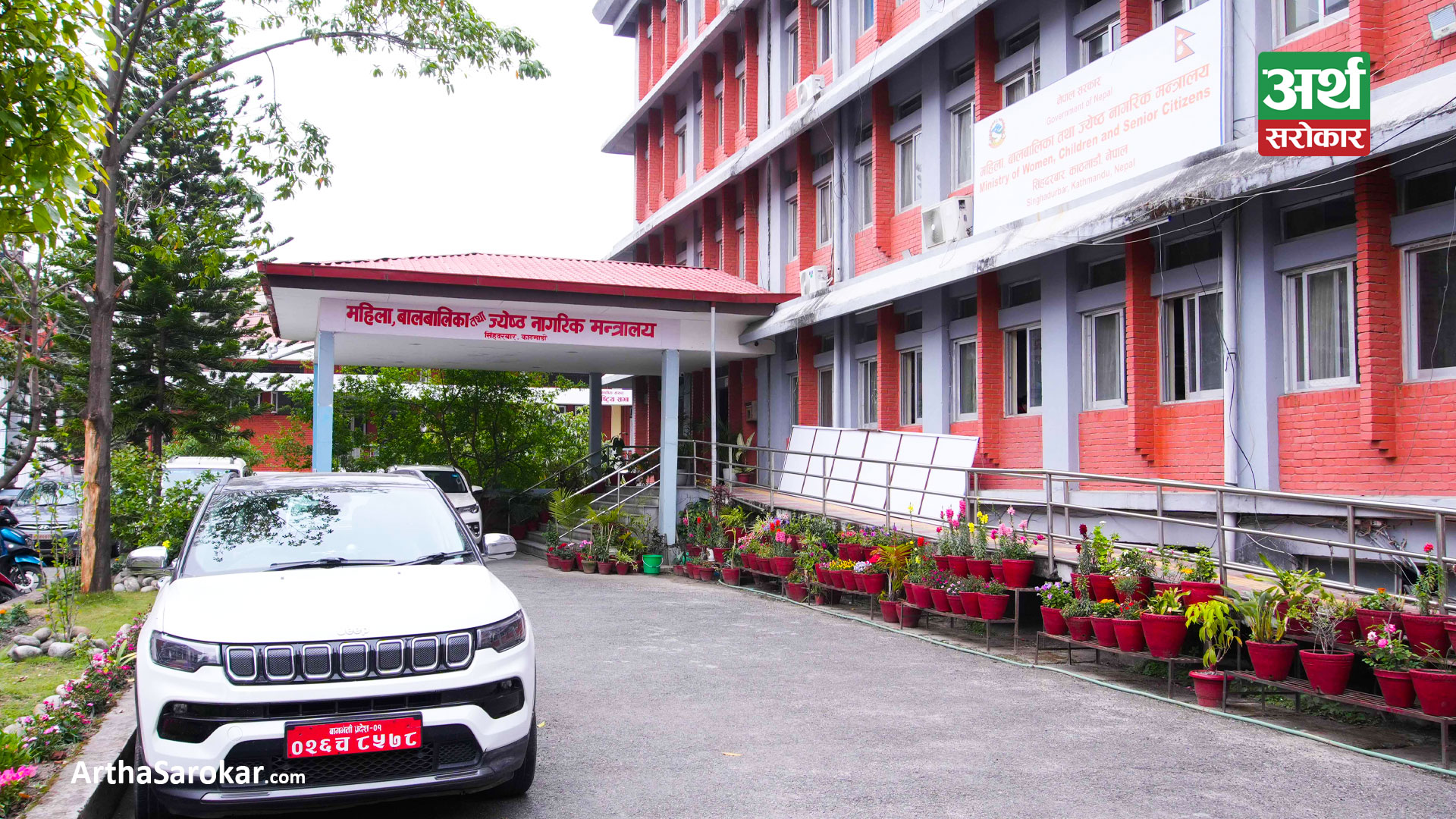



Kathmandu. The Ministry of Women, Children, Gender and Sexual Minorities and Social Security has initiated the process of creating and developing the ‘Senior Citizen Experience Bank’ with the objective of preserving the knowledge, skills, experiences and life lessons accumulated by senior citizens throughout their lives and passing them on to the new generation.
On the occasion of the thirty-sixth International Day of Older Persons, the Ministry has introduced a new concept to establish older people not only as a group in need of care and protection, but also as an invaluable source of knowledge, skills and experiences of the nation.
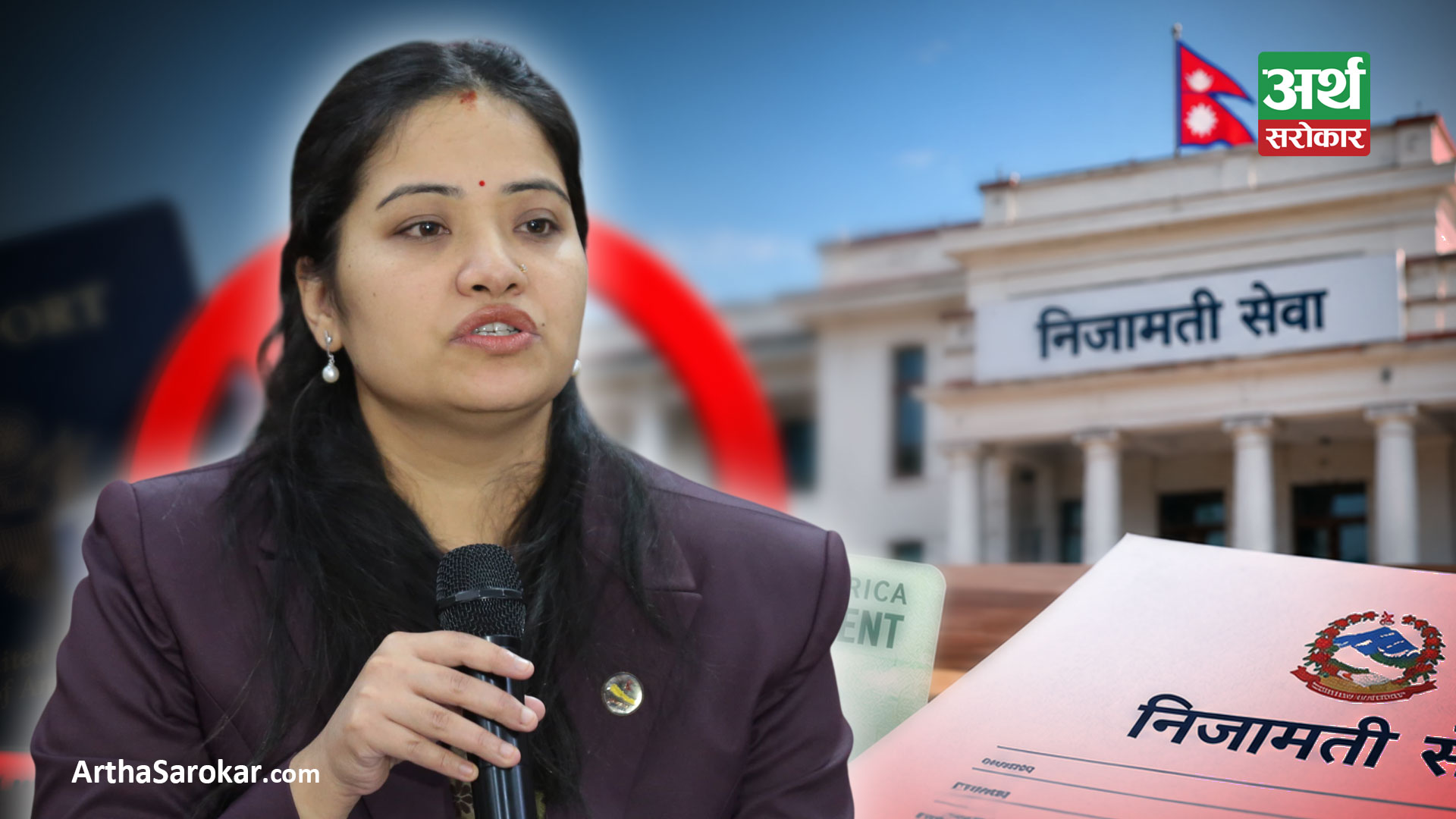
KATHMANDU: Minister for Women, Children, Gender and Sexual Minority and Social Security, Sita Badi, has said the knowledge, skills, experience and life skills accumulated by the older people were invaluable intellectual and social assets of the nation.
“The knowledge, skills, experiences and life lessons accumulated by the senior citizens are the invaluable intellectual and social heritage of the nation. The process of creation and development of the ‘Senior Citizens Experience Bank’ has been initiated with the use of digital technology to preserve, document and institutionalize the generational transfer of these experiences,” said Minister Badi.
According to him, this initiative will strengthen the inter-generational knowledge transfer by translating the knowledge and experience acquired by one generation into the guidance of the next generation.
The Anubhav Bank aims to broaden the traditional approach towards senior citizens. The basic concept is to use the knowledge, skills and life experience they have for the society and future generations, along with social security, health, care and protection.
“Older people should not only be seen as people in need of protection and care, but also as active, experienced, respected and indispensable partners in society,” she said.
The Ministry has a vision to institutionalize the generational transfer by documenting the experiences of senior citizens in agriculture, entrepreneurship, profession, education, administration, art and culture, traditional knowledge, social life and various practical sectors through the use of digital technology.
The main basis of the experience bank will be the transfer of intergenerational knowledge. The aim is to make the knowledge and experience gained by the senior citizens through decades of practice and life journey not to be lost with them and to make it safe and useful for future generations.
Through the experience bank, the knowledge and skills of the senior citizens will be documented in a systematic manner and the basis will be prepared to connect the new generation with it. The concept is to gradually develop it as a medium for the students, youth and the new generation to learn and take guidance from the knowledge, experience and life lessons of the senior citizens for free.
The experience gained by one generation over a long period of time is expected to guide the next generation and further strengthen the generational transmission of practical and traditional knowledge in the society.
The concept of the Ministry is aimed at establishing the senior citizens not only as beneficiaries receiving services and facilities from the state but also as knowledge givers who impart knowledge, transfer skills, experience and guide the new generation.
“Real respect will be established when the experiences of older people are heard, their knowledge is used respectfully, and an environment for meaningful participation in social and decision-making processes is created,” she said. ‘
With the changing family structure, migration, urbanization and lifestyle, new challenges have emerged related to the health, social security, care, loneliness and social participation of the senior citizens.
“It is the common responsibility of the family, community, society and the state to make their lives safe, dignified and meaningful,” she said.



Leave your comment