







Kathmandu. KATHMANDU: The Kathmandu Metropolitan City (KMC) is to provide concessional loan to those aspiring to become self-employed and entrepreneurs. The Kathmandu Metropolitan City (KMC) has signed an agreement with the Youth and Small Entrepreneur Self-Employment Fund to generate self-employment and create employment opportunities.
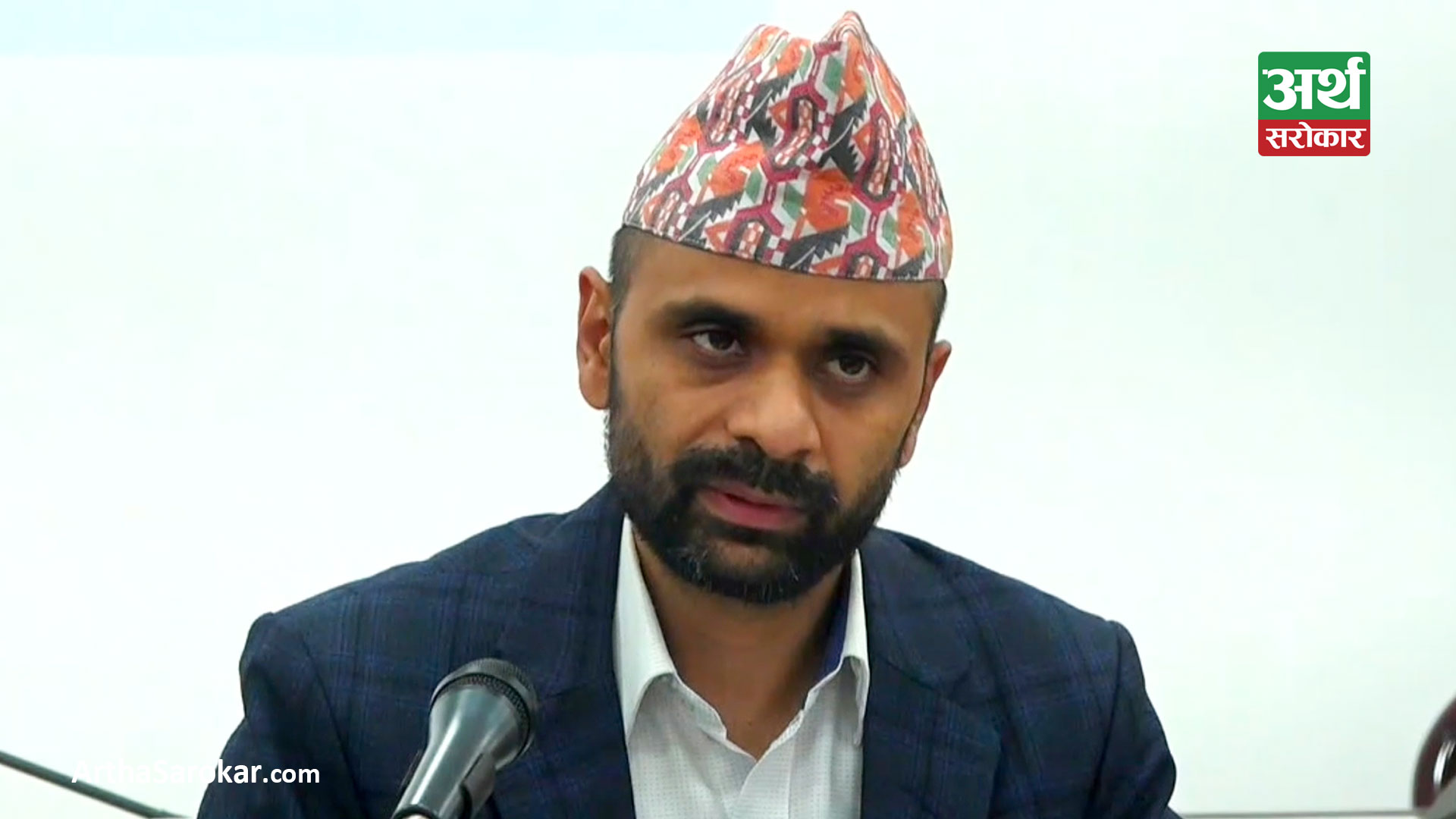
KMC’s Acting Chief Sunita Dangol informed that agreement was reached to run the partnership programme based on collaboration as per the Credit Investment and Recovery Work Procedure, 2077 of the fund operated under the Youth and Small Entrepreneur Self-Employment Fund (Operation) Regulation-2077.
“We have started efforts to develop enterprises through concessional loans for dignified enterprises, self-employment and employment generation,” said Dangal, adding, “The good borrowers of this program will get 60 percent interest subsidy.” Initially, the interest rate will be eight percent. In the end, 60 percent (4.8 percent) interest subsidy will be refunded to those who return the amount regularly. In this way, the interest rate for the borrower will be only 3.2 percent. ‘
According to him, this is a collaborative partnership program. For this, a separate fund will be set up by both the parties keeping two crore rupees each. The amount deposited in the fund will be used for loan investment to the local people of KMC area through financial institutions and cooperatives. The fund will return the amount so collected to KMC after five years.
This loan is for the economically poor, women, Dalits, indigenous nationalities, gender and sexual minorities. Loans will be invested to people who have returned from abroad or those who have received training. KMC has said that an individual can invest a maximum of Rs 500,000 in concessional interest rate and a maximum of Rs 5 million in groups of 15 for group investment.
Promotion of agropooling program, nursery and floriculture business, waste treatment and reduction projects, business based on green circular economy, one ward one model program, plumbing, electronics and electrical, digital services, information technology-based business will be invested. Likewise, small and cottage businesses, transport services, health and care industries, repair and technical skill-based businesses, carpenters and masons, painters, craftsmen, retail and grocery stores will be the areas of investment.
Businesses based on local skills and raw materials that contribute to the commercialization of locally produced goods, businesses related to traditional skills, business based on value chain and home stay will also be areas of investment.



Leave your comment