






Kathmandu. Kathmandu- The government has released the ‘Nepal’s Current Economic Status Paper-2083’ along with an assessment of the country’s current overall economic, social and governance situation.
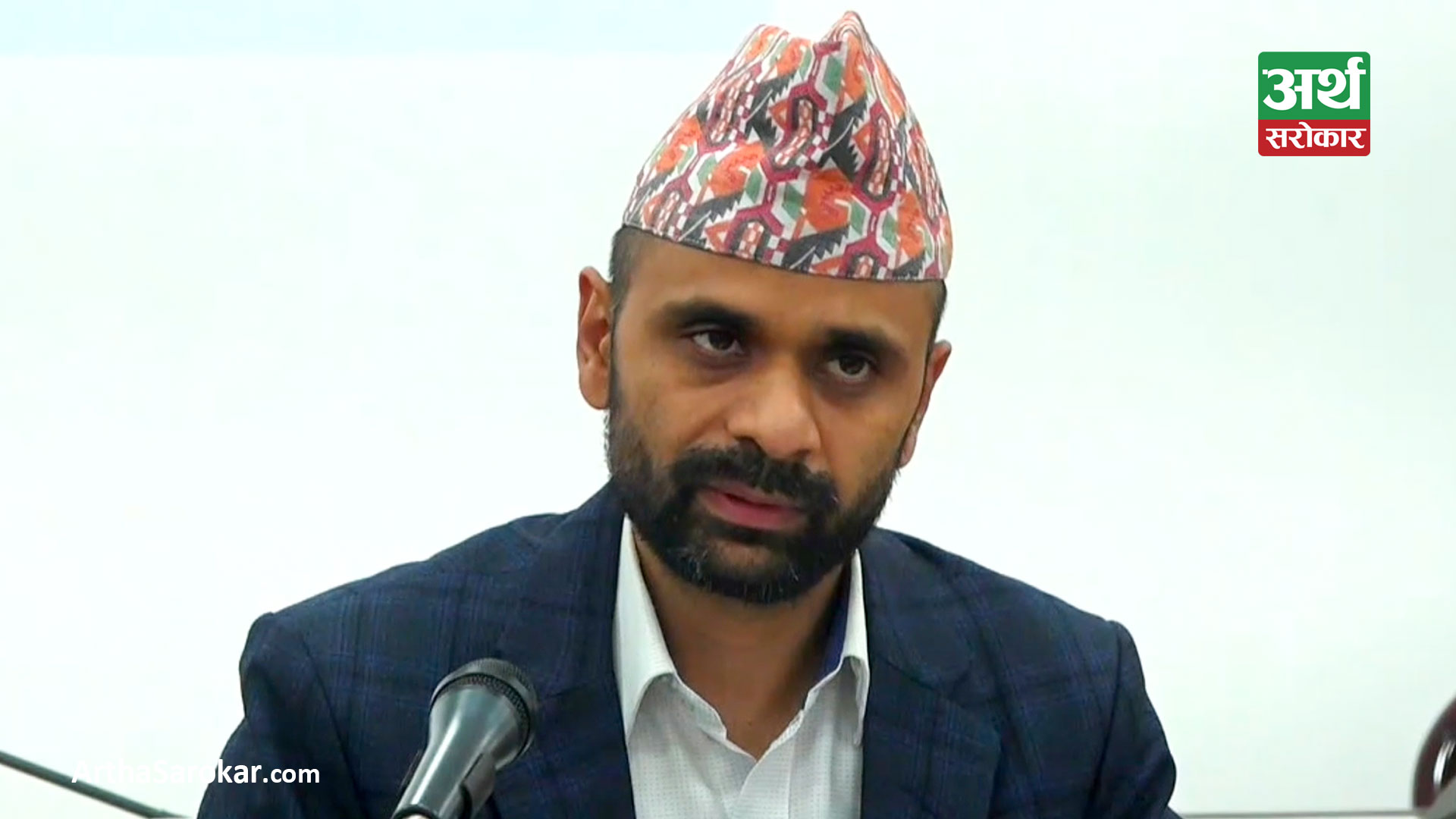
Finance Minister Dr Swarnim Wagle had decided to prepare the document soon after he assumed the responsibility of the Finance Ministry after the formation of the new government. According to the Ministry, the status paper is intended to present an objective picture of the current economic situation of the country and provide guidance for the formulation of upcoming policies, plans and budgets.
The status paper released by the government is seen as the foundation document to determine the future course of the economy. In recent years, the document has been made public amid challenges such as sluggish economic growth, declining private investment, unemployment, increasing import dependence, weak implementation capacity and limited financial resources.
While the position paper acknowledges that Nepal’s economy is currently beset by many challenges, there are many multi-dimensional opportunities for transformation. The document reads that a stable government, good governance and investment-friendly policy environment would restore the confidence of the private sector and increase domestic and foreign investment. It is expected to expand the productive sector, create employment and accelerate economic activities.
The hydropower sector has been presented as another big possibility. The position paper states that Nepal can get stable foreign income from industrialization, expansion of service sector and electricity export through cheap and reliable energy production. The expansion of regional electricity trade will further strengthen Nepal’s role in the green energy market.
The government has said that the natural, religious, cultural and Himalayan heritage is another strong base of the country. The position paper states that income and employment can be created in rural areas through integrated development of mountain, culture and community-based tourism. The position paper concluded that international competitiveness would increase if tourism infrastructure, service quality, ease of transportation and destination management could be improved.
The document also identifies artificial intelligence, robotics, IT services, business process outsourcing, and digital entrepreneurship as key opportunities for the next decade. Such sectors, which generate high value with low capital, have the potential to connect Nepali youth power to the world market, he said.
The position paper has made it clear that production, income and export can be increased through the modernization of the agriculture sector. Import substitution is possible by increasing investment in high-value crops, livestock, horticulture development and agro-processing industry, the bill reads.
Similarly, industrial development, supply chain strengthening, special economic zones (SEZs), industrial clusters and trade facilitation are the major means of building export-oriented economy. The document also pointed out the possibility of making Nepal a regional transit trade hub by taking advantage of its geographical location.
The government has also decided to increase investment in transport, energy, irrigation and digital infrastructure. It is stated in the document that there is a possibility of advancing big projects through the public-private partnership (PPP) model.
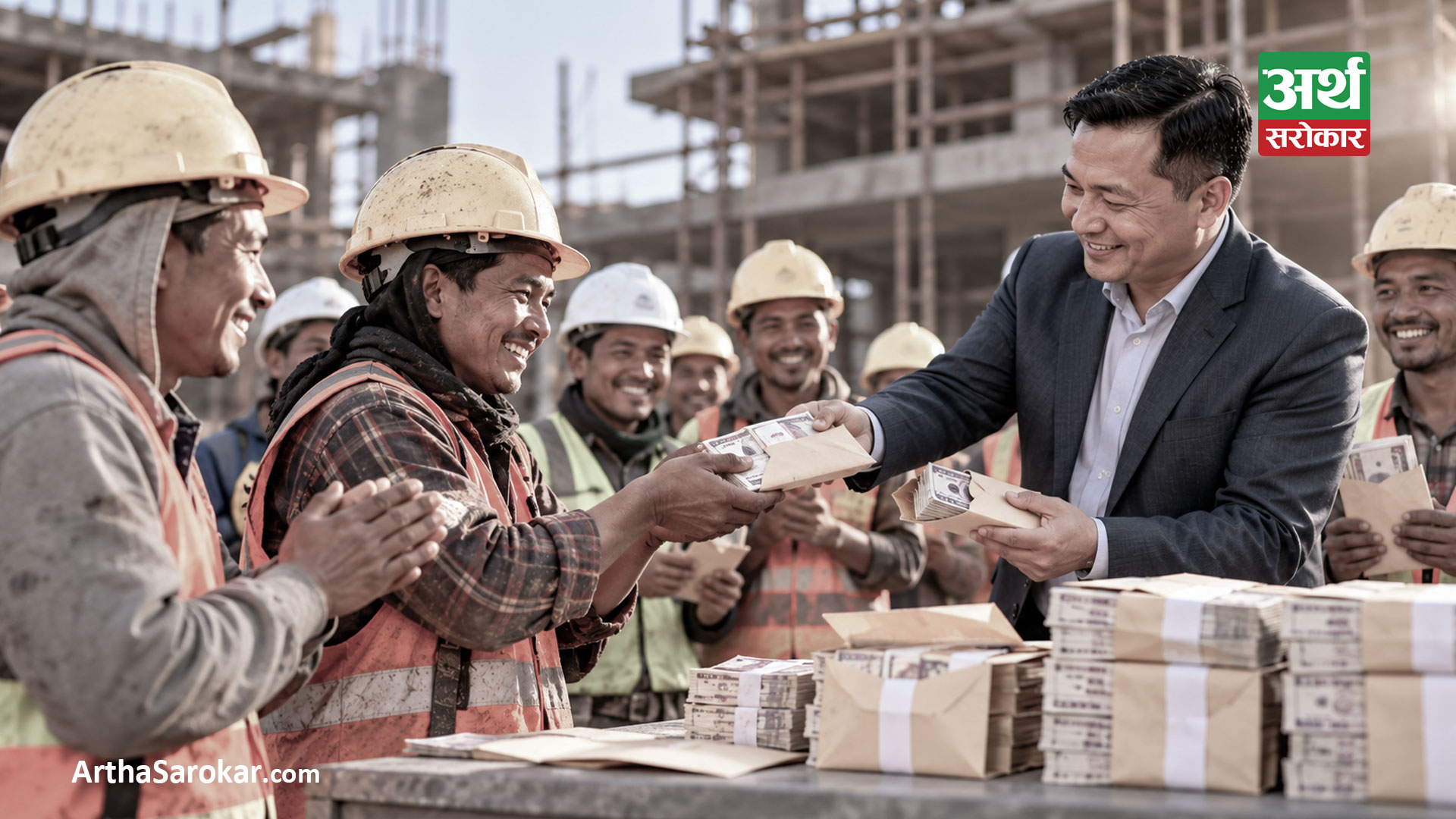
Likewise, it has been stressed that the remittance, which brings in a large amount of money annually, should not be limited only to consumption but should be linked to entrepreneurship, skill development and production. It is said that the policy is necessary to utilize the experience and skills of the workers who have returned from foreign employment in domestic production.
Financial inclusion, digital banking, expansion of long-term investment instruments and mobilization of savings should be mobilized in productive sectors. The status paper states that the sustainable utilization of minerals, water, land, forest and medicinal herbs could increase income, production and employment. It stresses the need to adopt a policy of resource utilization while maintaining biological and ecological balance.
The Ministry of Finance has stated that the economy can achieve an average economic growth of seven percent from the coming fiscal year. Within five to seven years, per capita income is expected to exceed three thousand US dollars and the size of the economy is close to one hundred billion US dollars. For this, it has prepared the basis for the construction of 15,000 megawatts of electricity within five years, to complete the national pride projects within two years, to strengthen the agro-industry-tourism inter-link, to build quality tourism infrastructure and to expand the digital economy.
The status paper states that some economic policies have not given the expected results due to weak implementation capacity, limited financial resources, weakness in prioritization and lack of efficient allocation of resources.
April 2026 Status Paper (2)_zgpipjt


Leave your comment