


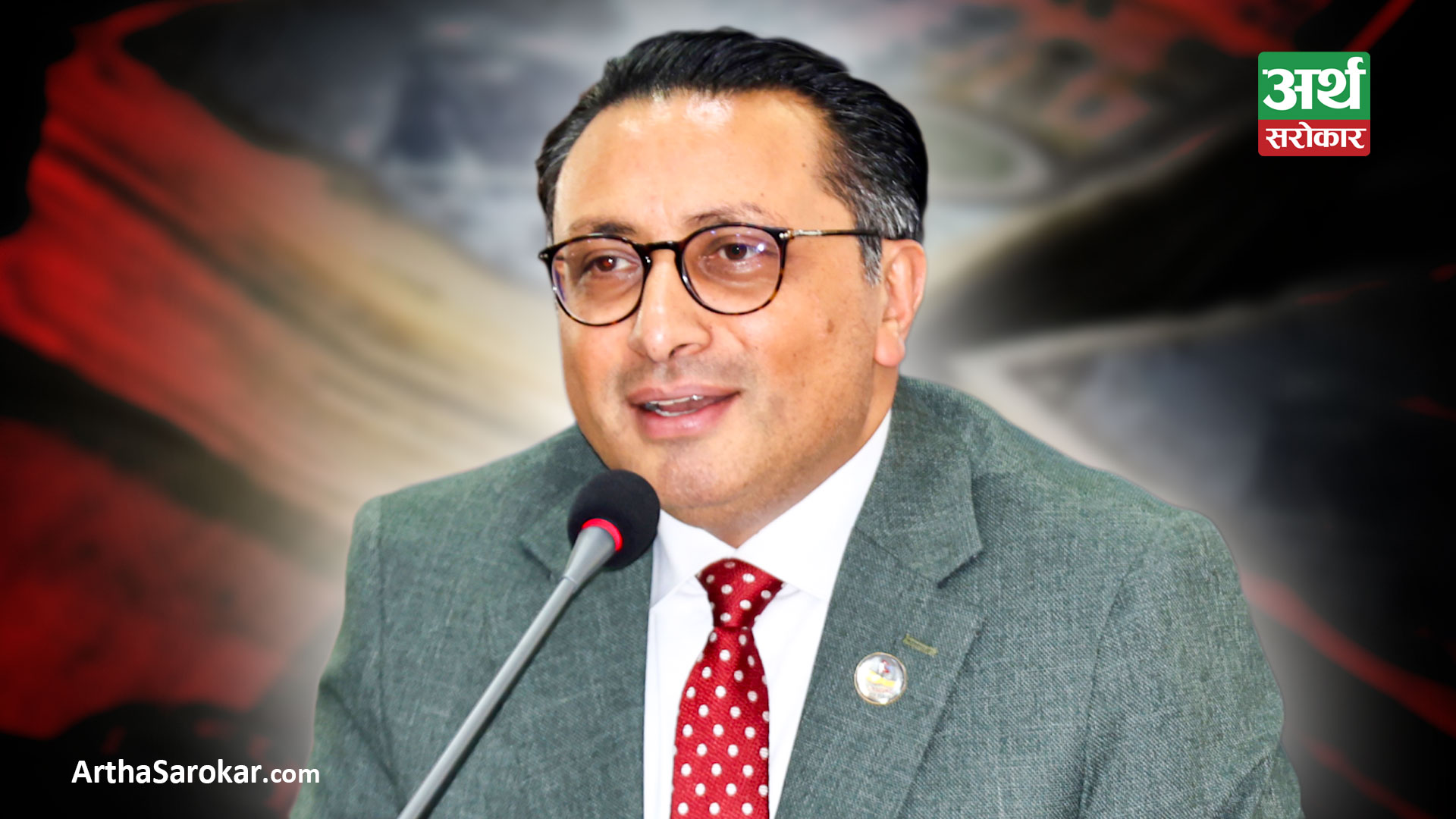


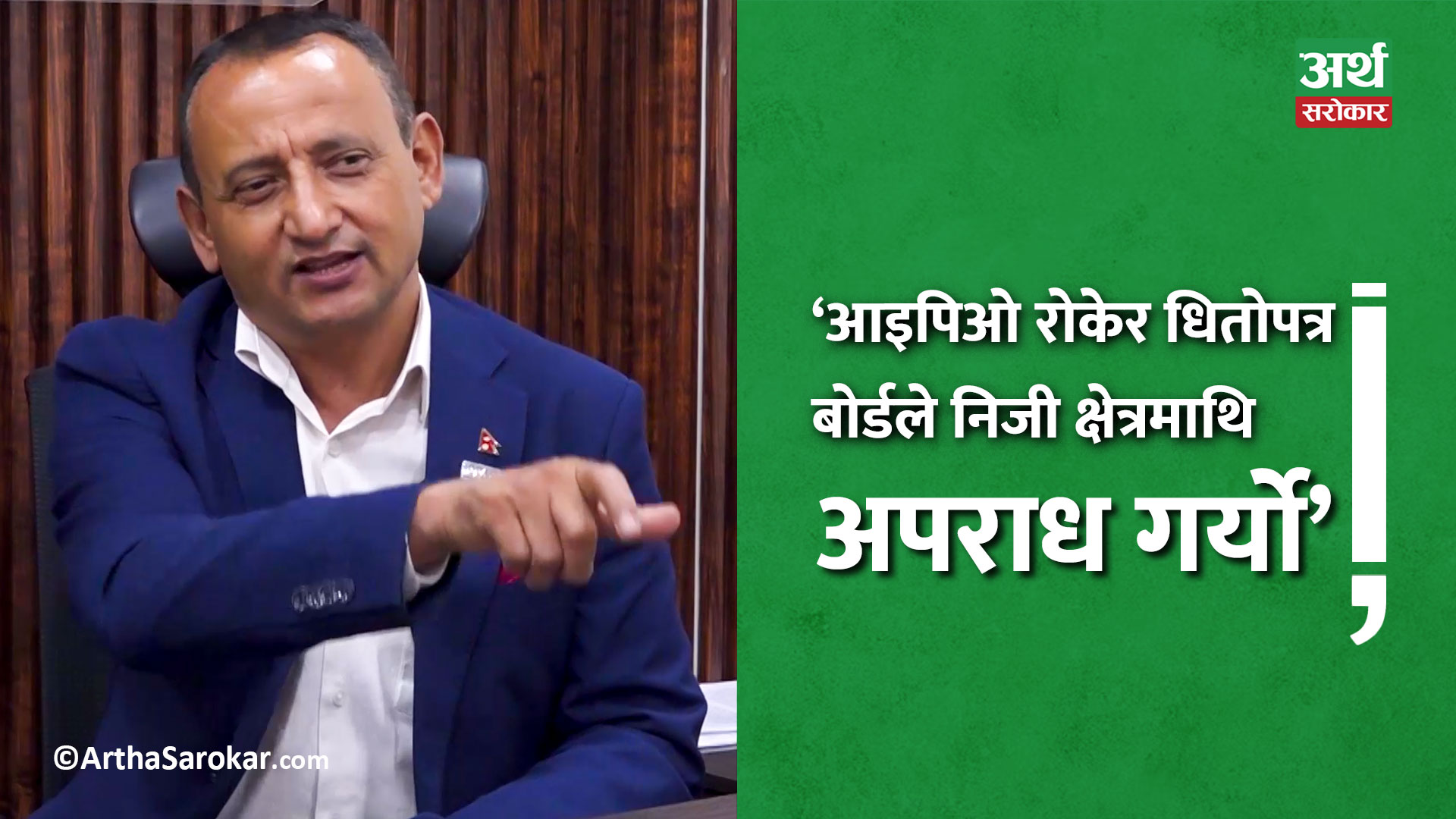
Kathmandu. Mohan Dangi, president of the Independent Power Producers’ Association of Nepal (IPPAN), has termed the suspension of ordinary shares of hydropower projects in the capital market (IPO) as a ‘crime‘ against the private sector. He said that the under-construction projects are in dire financial crisis after the leadership of the Securities Board of Nepal (SEBON) stopped the flow of capital at a time when the private sector has alreadycontributed 3,500 megawatts of electricity to the total power generation of Nepal. Though the government has set a target of generating 30,000 megawatts of electricity in the next 10 years, it has been challenged to implement it due to the complicated policies and administrative hassles of the Ministry of Forests.
He has demanded the government to remove the limit imposed on the power purchase agreement (PPA) and also involve the private sector in the power trade.He also stressed the need of removing existing legal hurdles immediately as he said investment-friendly environment and policy stability was essential for the development of energy sector. Edited excerpts from the interview with Dangi:
How do you see this sector after coming under the leadership of IPPAN?
I have been working at IPPAN for three terms. I worked for two terms with or . I served one term as vice-president and the other term as senior vice-president. As the vice-chairperson, I was also responsible for the Ministry of Energy and Nepal Electricity Authority. During this time, I had the opportunity to see the main works related to the energy sector. I was already aware of the problems in various projects that were under construction, completed and under study. Now, after coming to the leadership, I have a sense of responsibility to take forward the solution to these problems on my own responsibility. I was already aware of the problems, now I have the responsibility to solve them.
What kind of problems is Nepal’s energy sector facing at present, especially ?
We have been saying that we need to reach eight ministries, 24 departments and more than 200 tables to advance projects in the energy sector. There are many problems in this process. These problems are not limited to under the Ministry of Energy. There are problems related to the Ministry of Forest, Ministry of Land Reform and various other agencies. There are many problems, especially under the Ministry of Forestry. These problems are not just for the energy or hydropower sectors. These are problems related to the overall infrastructure construction. Even the prime ministers of the previous government have commented on the forest-related problems. A child died after a branch of a dry tree fell on him in a school, but the Prime Minister himself expressed his helplessness by saying that the tree could not be cut. Similarly, the Chief of Army Staff had also informed the parliamentary committee that he could not cut down trees for seven to eight months in course of the fast-track construction. The former executive director of Nepal Electricity Authority (NEA) had said that it is easy to kill people, but it is difficult to cut trees. This shows how many problems and complexities are under the Ministry of Forest. This problem is not only related to the energy sector, it is related to every development project. We need to build roads, generate electricity and build transmission lines. If there is production but there is no transmission line, there is a vehicle, but there is no road. Where to take the generated electricity?

Most of the problems we are facing are under the Ministry of Forests.For example, there are projects with an investment of billions of rupees. The government processes including environmental impact assessment (EIA) and preliminary environmental assessment of these projects have been completed. But one of the officers, Division Forest Officer or Ranger cuts a letter and says ‘stop the work’. This is ironic. This raises questions about both the safety of the investment and the respect of the investors.
So there are many problems and many of them are related to the Ministry of Forests. We are dealing with those problems. Now a new government has come. We are hopeful as the government has got close to two-thirds majority and what the government will do next. There is some hope. But as the work has not progressed, there is confusion about what is happening and how it will move forward. So now we are moving ahead by dealing with the problem.
After the formation of the present government, you have also met with the Prime Minister and his team, how much interest did you get from them, how optimistic are you that the problem will be resolved?
People live in hope. You can’t work without hope. There is no such thing as working in such a challenging field and getting discouraged. The people of the country have elected a government with a two-thirds majority. It is natural to have hope for a government that has been voted for by 50-52 lakh people. So there is no need to lose hope. Before the elections, we had met with the main leaders of various political parties and urged them to address the demands of the energy sector. I met with leaders of Nepali Congress, CPN-UML, CPN (UML), Rastriya Swatantra Party and other political parties. In their manifestos and commitments, they have mentioned that the energy sector should be prioritized and the energy sector can make the country prosperous.
The manifesto of the Rastriya Swatantra Party has included almost one hundred percent of our demands. Then came a hundred-point action plan, which also mentions the issues of energy sector. The power purchase agreement will be signed within 180 days. The budget has also given some hope. The government seems to have understood the sentiments of the energy sector by allocating Rs 70 billion for the transmission line. But it has not been implemented yet. Now there is a wait-and-see situation for some time. More than 100 days have passed. Now there should be result-oriented work. The results are not yet known, but hope is not dead.
The budget has envisaged ‘Sunset Law’ to solve the forest and land-related problems, it has also announced PPA on the ‘take and pay’ provision for projects up to 10 MW.
That doesn’t mean the problem will be solved. But we are walking with the hope that there will be a solution and we are constantly following up on it. There are four or five good things in the budget. We also have comments on some issues. The PPA for projects up to 10 MW was halted after the ‘take-and-pay’ provision was introduced in the budget last year. The PPAs of other projects have been halted since 2075 BS. This year’s budget has talked about opening PPA for projects up to 10 MW, which is positive.
Secondly, there is talk of installing 10 MW battery storage in Kathmandu. This helps to stabilize the load of the power system. Thirdly, there is talk of establishing a hydrogen plant of two and a half MW in Hetauda.
Fourth, if the number of trees is reduced by the IE or EIA, there is no need for a supplemental environmental impact assessment. This can save up to eight to nine months. However, it would have been better if there was no need for a supplementary EIA even if the number of trees increased.

Fifth, the private sector has been brought into the electricity trade and transmission line in a positive way.But all these arrangements alone have not completely solved the problem. We have also given various suggestions related to forestry in Sunset Law. It remains to be seen how far those suggestions will be addressed.
Our main dissatisfaction is that only projects with less than 10 MW capacity have been asked to sign PPA.What about the projects above that? According to the 100-point action plan, the PPA will be completed within 180 days. It has not only talked about projects up to 10 MW. We understood that everything was going to be done. Let’s look at the history. In 2049 BS, the Electricity Act was promulgated, in 2050 BS regulations were promulgated and after PPA rate was determined in 2055 BS, the private sector formally entered the energy sector. At that time, Nepal had only 52 MW of power generation capacity.
Nepal’s power generation capacity has reached around 4,300 MW. Of this amount, around 3,500 MW has been built by the private sector alone. It seems that the budget has ignored the private sector, which has produced 3,500 MW in 25 years. So far, the government has installed only 800 megawatts. Imagine what the situation of the country would have been if the government had produced only 800 megawatts of electricity. At present, the government is just talking about generating electricity.
Another thing is that VAT is levied at the time of increasing electricity consumption. It is necessary to give a discount to those who consume more than 5-13 percent VAT. Currently, the government is selling electricity at Rs 10-12 per unit to the private sector at a cheaper rate. That’s the profit. We should not impose additional taxes on electricity to the people and add burden on the people and industries. Industries that consume a lot of electricity should be encouraged by giving discounts. This will increase both employment and revenue.
The government has set a target of generating 30,000 MW of electricity in the next 10 years, but the state’s policies seem to put pressure on the private sector and do not create an environment to work, how should the state take initiatives to meet this goal?
The erstwhile government had set an ambitious target of producing 28,500 MW by 2035 and 30,000 MW in the latter time. I am a citizen of this country before a businessman. Therefore, it is also my responsibility to fulfill the government’s goal. We welcome this goal and have plans to achieve it. But the necessary environment should be created for that.
Building a hydropower project is not the same as building a shop or a house.Millions of shareholders’ money is invested in it. Currently, there are about 70 lakh shareholders in Nepal. There are around 125 hydropower groups or companies in Nepal, most of which are listed in the Securities Board of Nepal. A total of 99 companies have been listed. 25 companies are awaiting listing. In this way, 125 companies are listed.

In 124 companies, if 40-50 groups generate 300-500 MW of electricity in 10 years, 20-22,000 MW will be generated.Money is not a problem. Money is raised from that group. When the right shares are opened, the group manages the money. Projects with the capacity of 5,800 to 6,000 MW are under construction. It comes in production. Therefore, it is not impossible to meet the target of 30,000 MW.
is a productive investment. Billions of rupees worth of electricity are sold annually and the money is reinvested. It will be of great help if the government brings a policy of 2 to 5 percent tax exemption while reinvesting the money earned from hydropower in the hydropower sector. Therefore, the thinking should be positive. But for this, development-friendly laws are necessary. In particular, the laws and regulations under the Ministry of Forest must be amended.
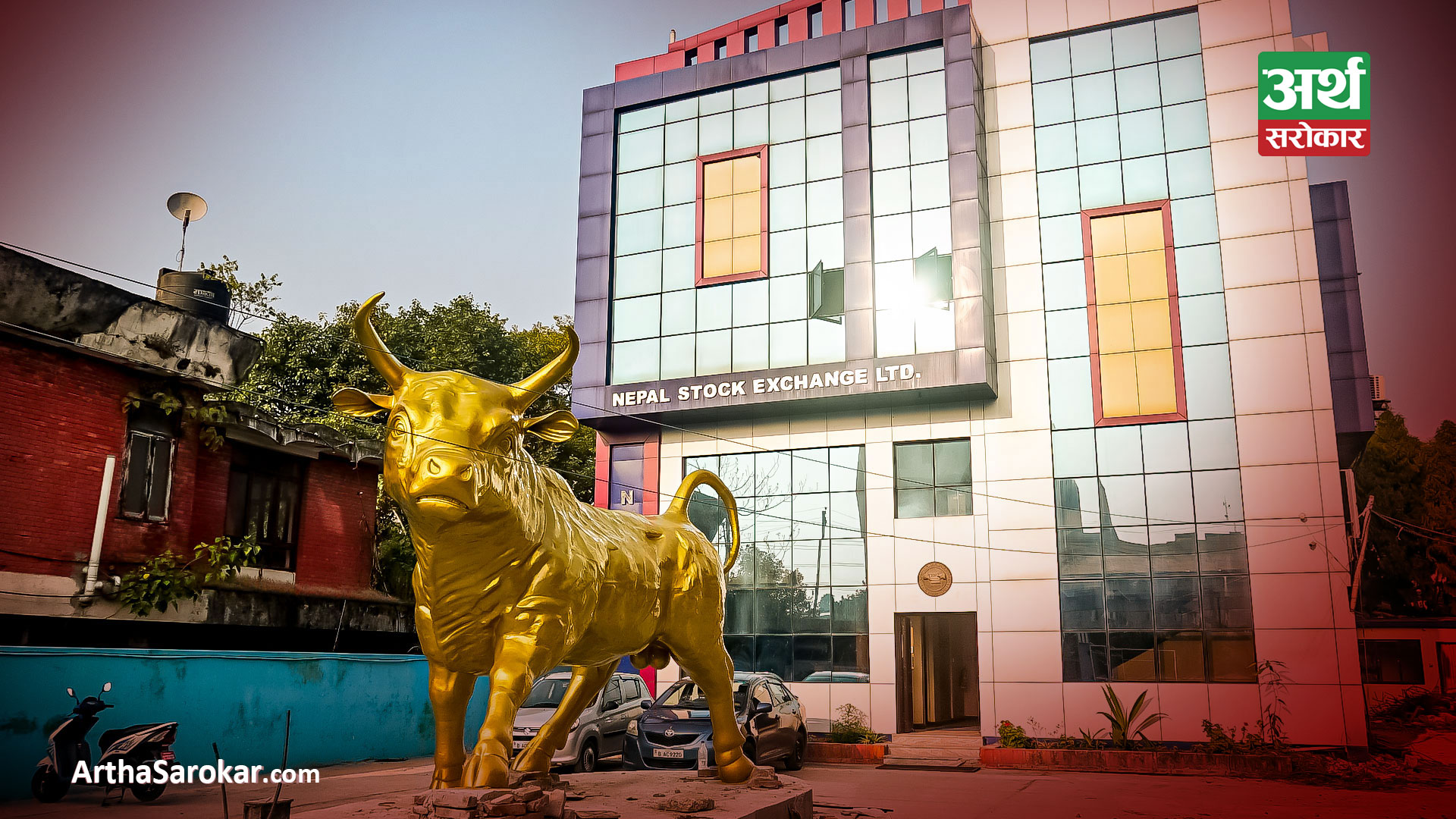
For a long time, the Securities Board has stopped issuing IPOs, this has led to an acute shortage of capital in the projects, setting big targets on the one hand, stopping the flow of capital on the other – does it not seem that the state itself is a hindrance?
The current problem is the result of past mismanagement. We have already presented the problem by meeting them. Now there is a new leadership. After the anomalies, the people have given a new mandate to a new face. He was punished for not doing a good job by the previous government. The irregularities in the securities are clear. We have seen that the leadership there has changed the government. At that time, the private sector was criminalized by the board.
According to the law of 2072 BS, there is a provision to give 10 percent shares to the locals.On the one hand, the law provides for the issuance of shares, on the other hand, the Securities Board has not given permission. On the one hand, projects are in trouble. Currently, 34 projects are in the pipeline for IPO and 15 projects are waiting for right share. Our demand is that the projects that have completed the process should be approved immediately. Where there has been a disturbance, an inquiry should be conducted. The IPO should be issued in such a way that the public is not deceived. Those who have completed the process should be approved. We have also spoken to the chairman of the Securities Board of Nepal in this regard. He has shown positive signs. It has been a month since he took office. Now the chairman of the Securities Board should also work in such a way that the results are visible.
Another problem is the locking period. Promoters take loans with personal guarantee in the bank. According to the rules of service, the locking period should be opened after 3 years. But ours doesn’t open. We cannot buy or sell shares until we repay the bank’s loan. But it is alleged that they manipulated the market by buying them in the market. That’s why we don’t get involved in it. The government should take action against those who buy shares cheaply. However, we have not been able to sell the shares. Therefore, the Nepal Stock Exchange and Securities Board should identify and take action against those manipulating the price in the market. Unnecessary rumors are being used to make double eyes. It is not appropriate to make a system that is not in this world. The power sector is being defamed by those who are manipulative. Even if I am the one who works against the law, action should be taken, otherwise I should not be defamed.

Finally, how ready is the private sector to trade electricity in the international market?
The private sector is 100 per cent ready for electricity trade. We have already proved our capacity by generating 3,500 MW of electricity. We have already demonstrated the capacity by constructing transmission lines of 132, 166 KV and 220 KV from the powerhouse to the substation ourselves.
Currently , Nepal is exporting 1160 MW of electricity to India and 40 MW to Bangladesh. India did not allow the export of another 20 MW to Bangladesh. This is a private matter of India. The Indian private sector is also ready to trade electricity with the Nepali private sector. We have also recently met with the Indian ambassador and businessmen. The government should not hesitate to issue electricity trade licenses to the private sector which is already capable of constructing transmission lines and generating electricity. Currently, 6-7 private companies have applied to the government for electricity trading licenses. When the government gives permission, nothing goes wrong. It is wrong for the Nepal Electricity Authority (NEA) to not allow the private sector to do so.
There is no loss to the state when it is allowed to the private sector. On the contrary, revenue increases. If the government makes necessary procedures and guidelines, we are ready to abide by them.
Just as the private sector was allowed to enter the energy sector by determining the PPA rate in 2055 BS, the private sector should be allowed to trade electricity with a liberal heart. The private sector is fully capable of electricity trade. 2-4 companies that have signed MoUs are trying to sell electricity. The government should give permission. The government should give permission without any hindrance.
(News Agency Nepal)

Leave your comment