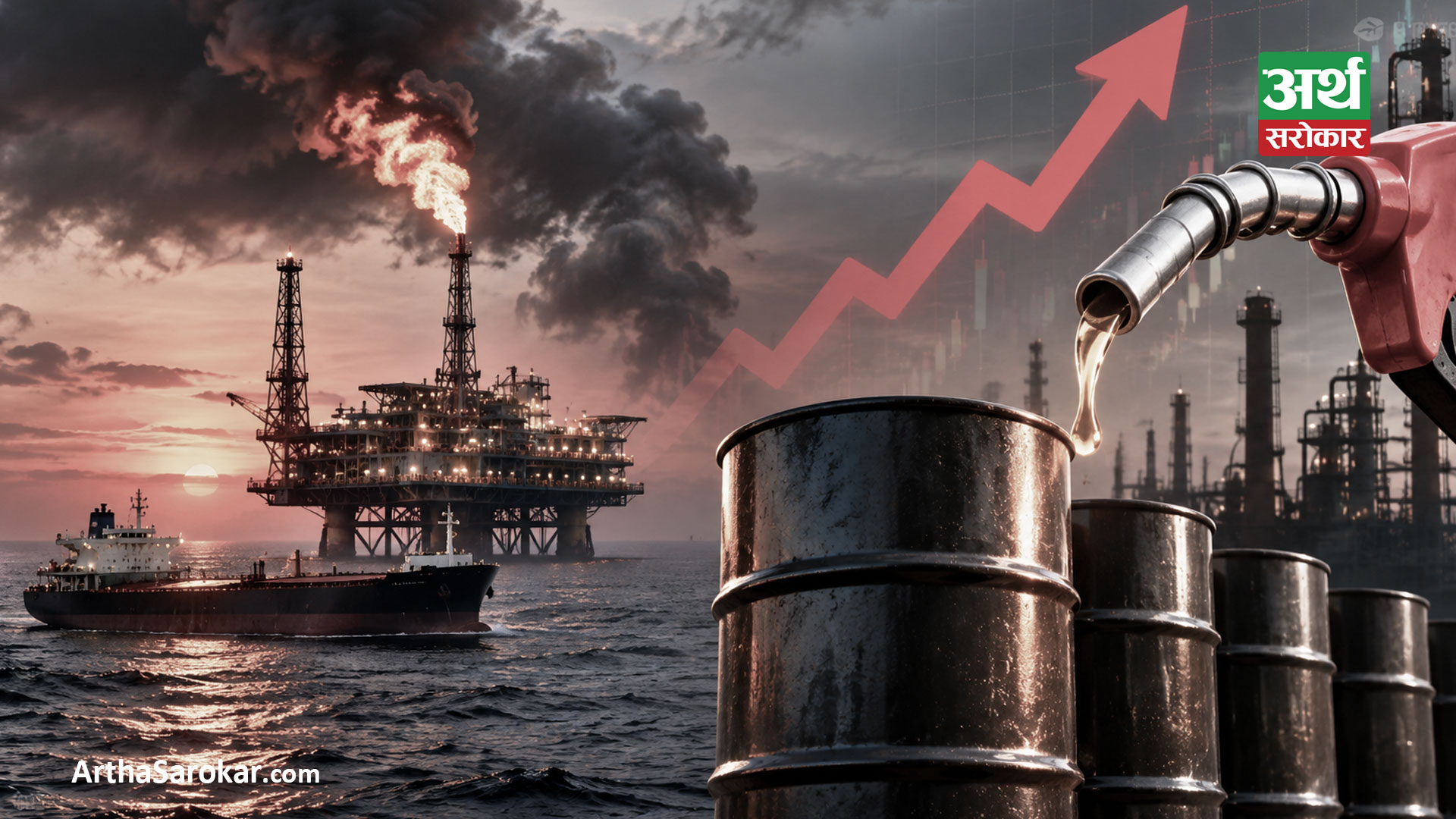








. Due to the ongoing energy crisis in West Asia, the price of fuel in Asian countries has more than doubled compared to pre-war. The price of fuel has increased drastically as the disruption in the supply of crude oil gradually expands to the processing and transportation systems. The report released by the US financial institution BlackRock has stated .
According to the report, initially transportation, stockpiles, and strategic reserves through alternative routes mitigated the impact of the supply disruption of crude oil. However, recent attacks targeting energy infrastructure and shipping routes in the Gulf region have put additional pressure on the supply chain .
According to BlackRock, the impact of the shortage is now more visible in the refined fuel and transportation sector than in crude oil. Although the supply of crude oil has improved slightly, the disruption in processing capacity and transportation has increased the price of fuel.
On October 23, the price of Brent crude oil reached $117 per barrel. This is the highest price since April. At the time of writing this report, its price has fallen by 2.87 per barrel to 110.18 dollars per barrel.
The impact of the crisis has also been seen in the shares of oil refining and transportation companies. Shares of refining companies have risen by about 160 percent and shares of oil tank ers have risen by 120 percent this year. In comparison, shares of major oil and gas producers have risen by only 40 percent, according to the report. Regionally, Europe Energy is at the highest risk of the crisis. According to BlackRock, Europe’s GDP is estimated to have fallen by 0.5.5 due to the energy crisis(GDP). In the United States, the impact is limited to 0.1 percent.
Natural gas storage capacity in Europe is only about 75 percent full. Since 2011, has been kept since This is the lowest level for the season. The report points out that energy prices could increase further if the next winter becomes colder due to disruptions in the supply of liquefied natural gas (LNG). European energy prices have also increased by 170 percent this year.
The U. S. is a net energy exporter of and is relatively safe, according to the report. Similarly, Black Rock’s analysis says that strong exports of technology goods have somewhat mitigated the impact of rising energy import costs in Asia.
BlackRock expects the trend of investing in alternative supply routes and infrastructure for energy security will continue even after the conflict in the Middle East ends. It says that such changes can continue for a long time after the conflict ends.
According to the report, the large investment needed to strengthen the energy supply system could increase competition for capital and also put pressure on the interest rate of long-term government bonds.



Leave your comment