






Kathmandu. The demoralization of investors is a bigger problem than the fall in the price of the stock market. This is especially the case now. After the formation of the new government of the Rastriya Swatantra Party (RSP), the initial steps and working style seemed to have spread panic in the stock market. But the events that took place over time, the problems seen in the economy, the stagnation, the expectations of the people and the increasing maturity and experience of the government also put pressure on the market to create a market-friendly environment. As a result, the government tried many policy reforms for the stock market in the meantime.
In the meantime, policy reforms have been made to boost the morale of businessmen and boost the morale of stock investors. Most of the commercial and development banks, finance companies, microfinance companies, mutual funds, and some energy companies listed in the stock market have also been successful in distributing some dividends. The policy reforms made by the government have had an impact on this.
Especially when the price of shares falls, the investors lose their assets, but when the trust decreases, there is no business even if there is money in the market. Investors stay in a wait-and-see state even when they see an opportunity. Nepal’s stock market has suffered from this psychology in the last few months.
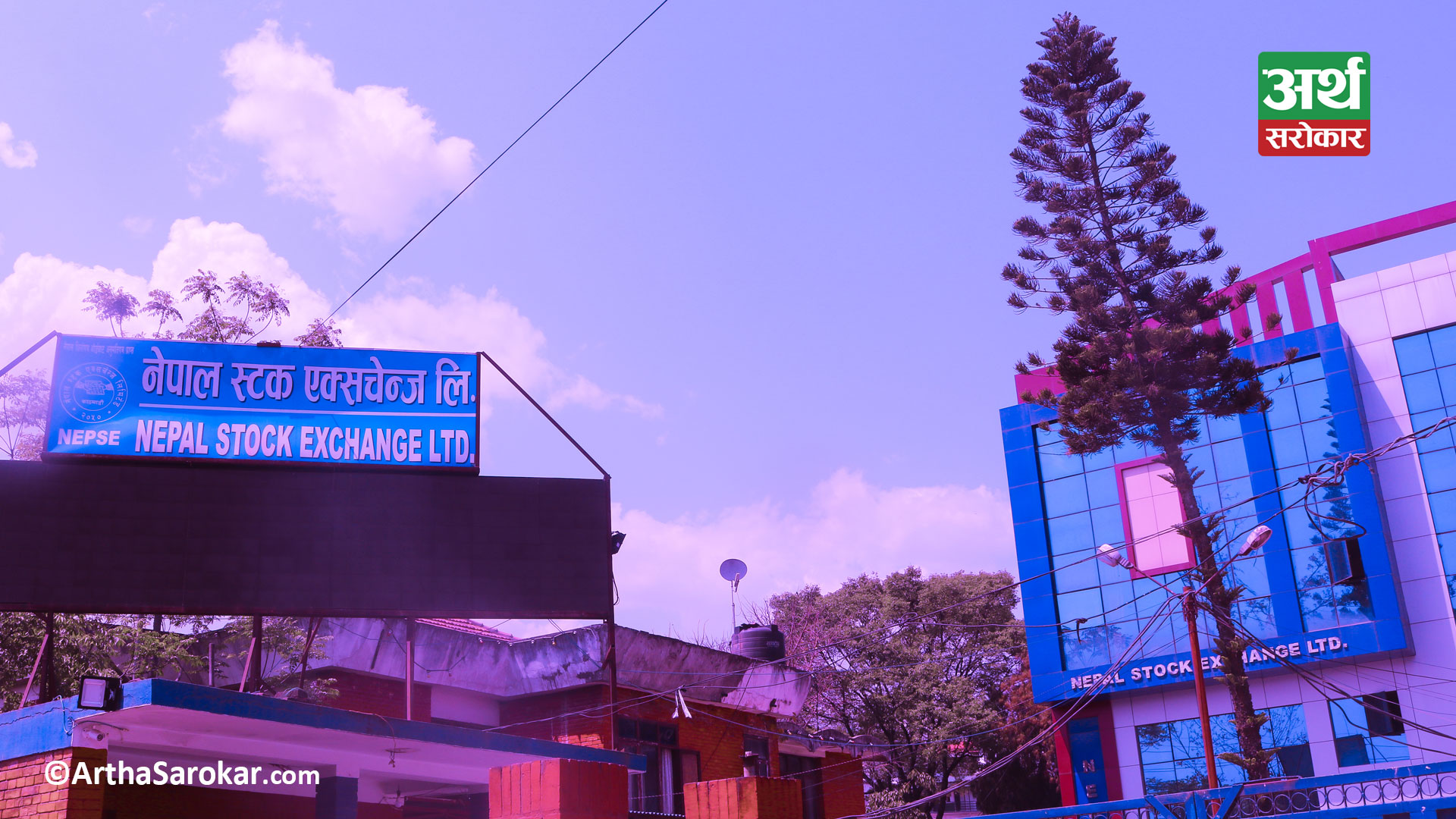
The fall that started after the NEPSE index reached a historic high of 3,198 points in August 2021 disappointed the investors for a long time. At that time, high interest rates (the interest rate on loans were 12 percent higher), lack of liquidity, policy confusion and weak morale became the main challenges to the market. When the new government was formed according to the mandate of the elections after the Zenji movement, the market was once again hopeful. After the formation of the Balendra Shah government under the leadership of the Rastriya Swatantra Party (RSP), there was an expectation of political stability, economic reforms and investment-friendly policies. But the market, which had hit 3 circuit breaks before the formation of the government, started declining drastically when the new government was formed. The market panicked, especially when the government took action against middlemen, mafia and corrupt people. Some of the characters were also present in the stock market. Which were fatal to the investors. In the meantime, the government tried to clean up the market by taking action against them. And now, the government is making several efforts to restore the morale of the stock market.
In fact, the stock market is a bit like what Dr. Baburam Bhattarai said. It is also a tool of liberal capitalism. In a country where there is absolute poverty of about 21 percent, millions of people in 17 districts are still suffering from seasonal starvation due to lack of food, it is natural that the business of currency transactions should not be a major priority of the government.
However, the important tools of the capitalist system including liberalization, privatization, globalization are applicable in the country. Capitalism is necessary for development and prosperity and progress. The state system without policy looseness and social justice by disturbing the balance is not right at all. Therefore, capitalism with social justice is the need of the hour, not extreme capitalism, neoliberalism. There is also a stock market. And in that market, the national bourgeoisie should have a grip. Straight investors should also get a chance to flourish. That is why the Balen government in its early days tried to clean up the brokers, mafia-type thugs. How can it be called bad? But now the government should work to make the market exciting and a real platform for investment.
Although the market could not pick up the expected pace in the first 6 months, the steps taken by the government for capital market reform have given new hope. Now the question is not only why the market has fallen, but also what results the policies taken for reform can give in the coming days.
Signs of improvement, door to possibility
The government has unveiled a 21-point action plan with the objective of making the capital market dynamic. It includes simplifying the process of primary share issue (IPO), restructuring of the Nepal Stock Exchange (NEPSE), developing a new index, allowing Non-Resident Nepalis to participate in the secondary market and preparing a legal basis for instruments including margin trading.
The reduction in capital gains tax (from 10 percent to 5 percent) and efforts to address the long-standing demands of investors can also create positive expectations in the market. After the release of this action plan, the NEPSE rose by 48.57 points in a single day and the transaction amount reached Rs 8.29 billion.
However, not all these reforms have been implemented. But the plan to improve the structure of the market, introduce new investment instruments and expand investor participation is an important sign in itself. Now its success will be measured not in announcement, but in implementation.
Economy and stock markets
The stock market is not separate from the economy. It is the mirror of the economy. Bank interest rates, credit flow, private sector investment, consumption and profits of companies influence the direction of the market. When interest rates are comparatively low, the search for alternative investment can increase. At present, there is more than 15 trillion rupees available for investment in the financial system. If these resources are deployed in production, trade, tourism, energy and infrastructure, economic activities can expand.
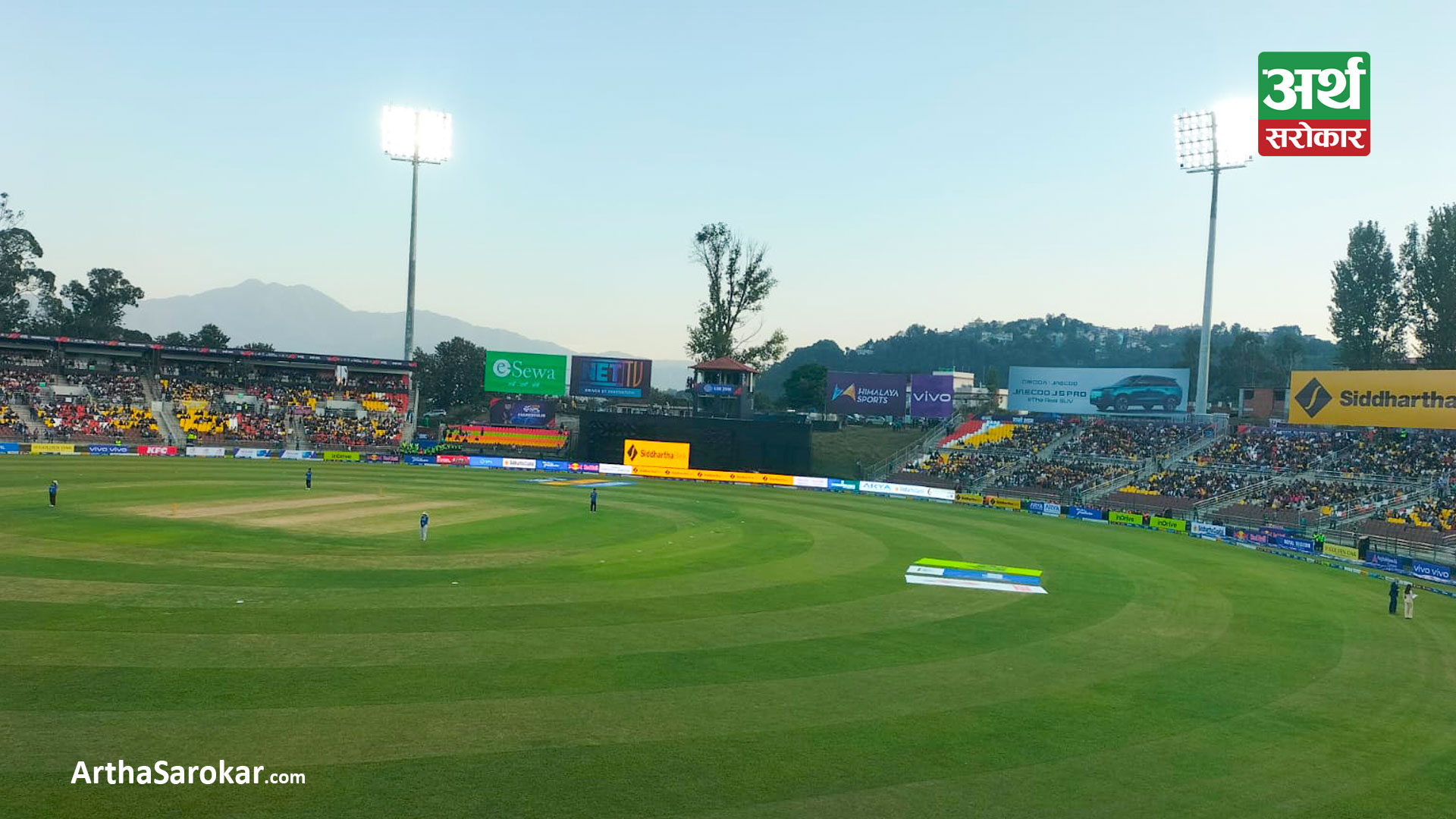
Increasing economic activity also means that the turnover and income of companies will increase. It is the festive season. It is estimated that during festivals like Dashain, Tihar, Chhath, there will be about 15 trillion business transactions in Nepal. Due to the expenditure on most of the consumption, the consumption of goods and services coming from external imports increases during these festivals. However, due to Dashain and Tihar, the market is dynamic, the cycle of the economy is strengthened, the movement of money increases in some way. When the market is moving in this way, it has a positive effect on the stock market. On top of that, the third edition of the Nepali Premier League (NPL) is starting from today. It is estimated that this tournament will generate one and a half billion economic transactions. There is no doubt that such popular sports competitions held during the festive season will make the consumer market more active. Great festivals like Tihar, Chhath, Nepal Sambat are coming. This will make the market more active. This is likely to have a direct positive impact on the stock.
Why should we be afraid of a 10 lakh transaction?
There have been some rumours in the market about the revised guidelines on asset bankruptcy. But in fact, just because shares worth Rs 10 lakh or more are traded in a single day cannot be considered illegal or suspicious. Some financial analysts, including Nabil Bank CEO Manoj Gyawali, and those associated with Nessey have also made similar arguments. It is a different matter to send the details of transactions beyond the prescribed limit to the Financial Information Unit and the transaction being considered illegal.
Investors should not be afraid as the details of the transaction may be included in the report while investing money earned from legitimate sources.
The purpose of anti-money laundering is to monitor illicit funds, not to discourage legitimate investments. Clear interpretation and effective implementation of the rules increases financial transparency. But if a misunderstanding of the rules spreads, legitimate investors may be unnecessarily frightened. Therefore, the right information flow is equally important along with regulation. Which is the right step for the stock market.
Is there a reason for the market to go down?
It is not right to claim that the possibility of a market downturn is completely over. External economic shocks, the financial condition of weak companies or policy uncertainty can affect the market at any time. But while analyzing the market, one should look at not only the risks but also the basis for improvement.
The government has put forward an action plan for capital market reform. Interest rates are at a very low point, there is a strong base of resources in the financial system and festivals, sports, fairs, festivals, etc. are expected to stimulate the economy. Now, if these bases can be linked to the increase in production, investment, employment and profits of companies, then the improvement of the market can provide a strong foundation.
The value of all companies does not increase at the same pace in the stock market. Therefore, investors should decide by looking at the company’s earnings, earnings per share, dividend capacity and financial condition. Positive expectations and ignoring risk are different things. But there is no reason for the market to fall due to policy reasons and the current objective situation.
Article by Rishab Gautam (Gautam is an economic writer and analyst). )


Leave your comment