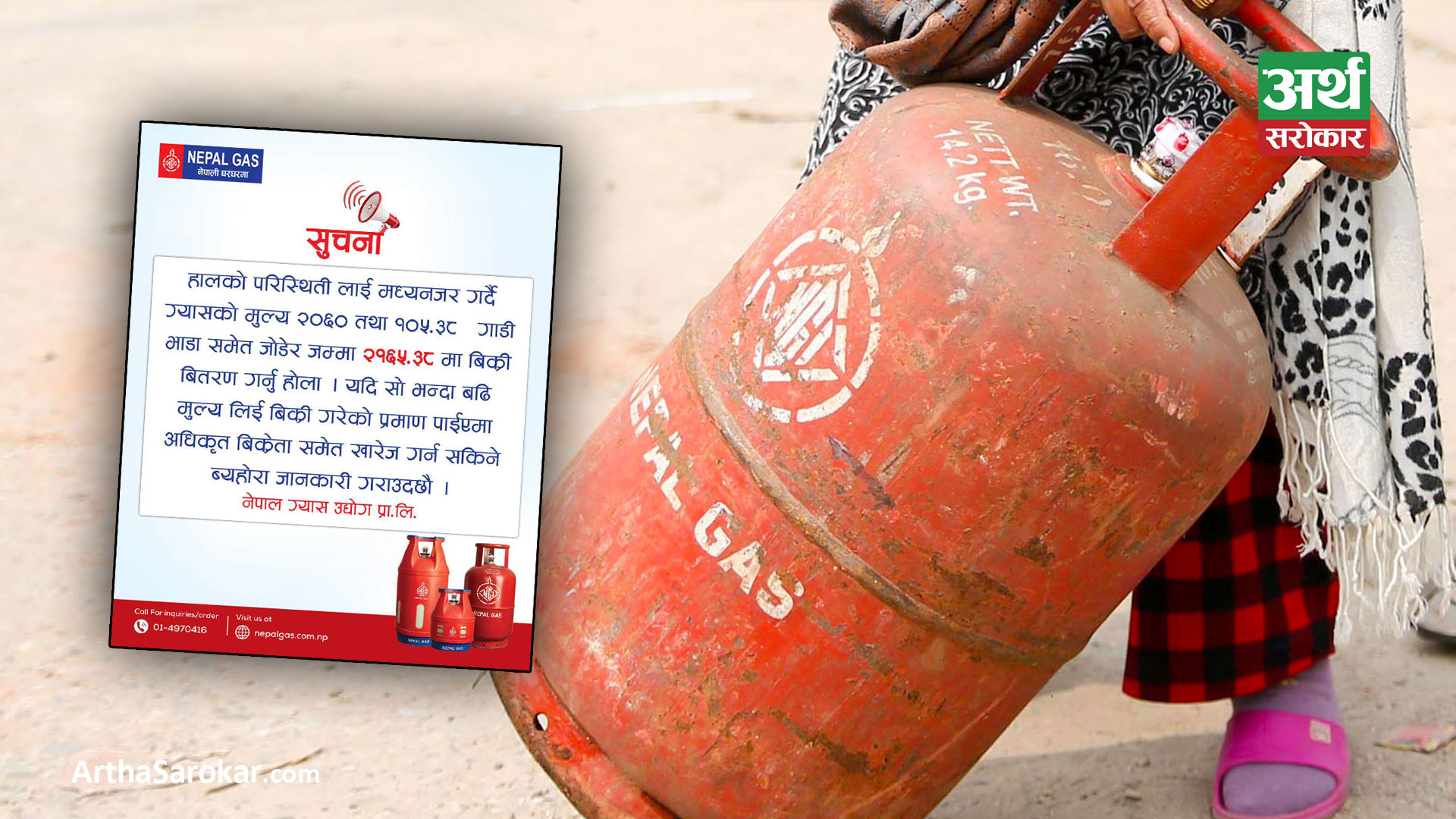


Kathmandu. The government has unveiled the Energy Consumption Enhancement and Export Strategy-2083 with a plan to provide subsidy on electric stoves by scrapping the subsidy on cooking LP gas by the fiscal year 2092/93 BS.
Unveiled by the Ministry of Energy, Water Resources and Irrigation for public consultations, the strategy aims to gradually reduce and minimize the use of LP Gas for cooking gas. The government has made public the strategy with the goal of providing subsidy on electric stove and increasing the consumption of clean energy.
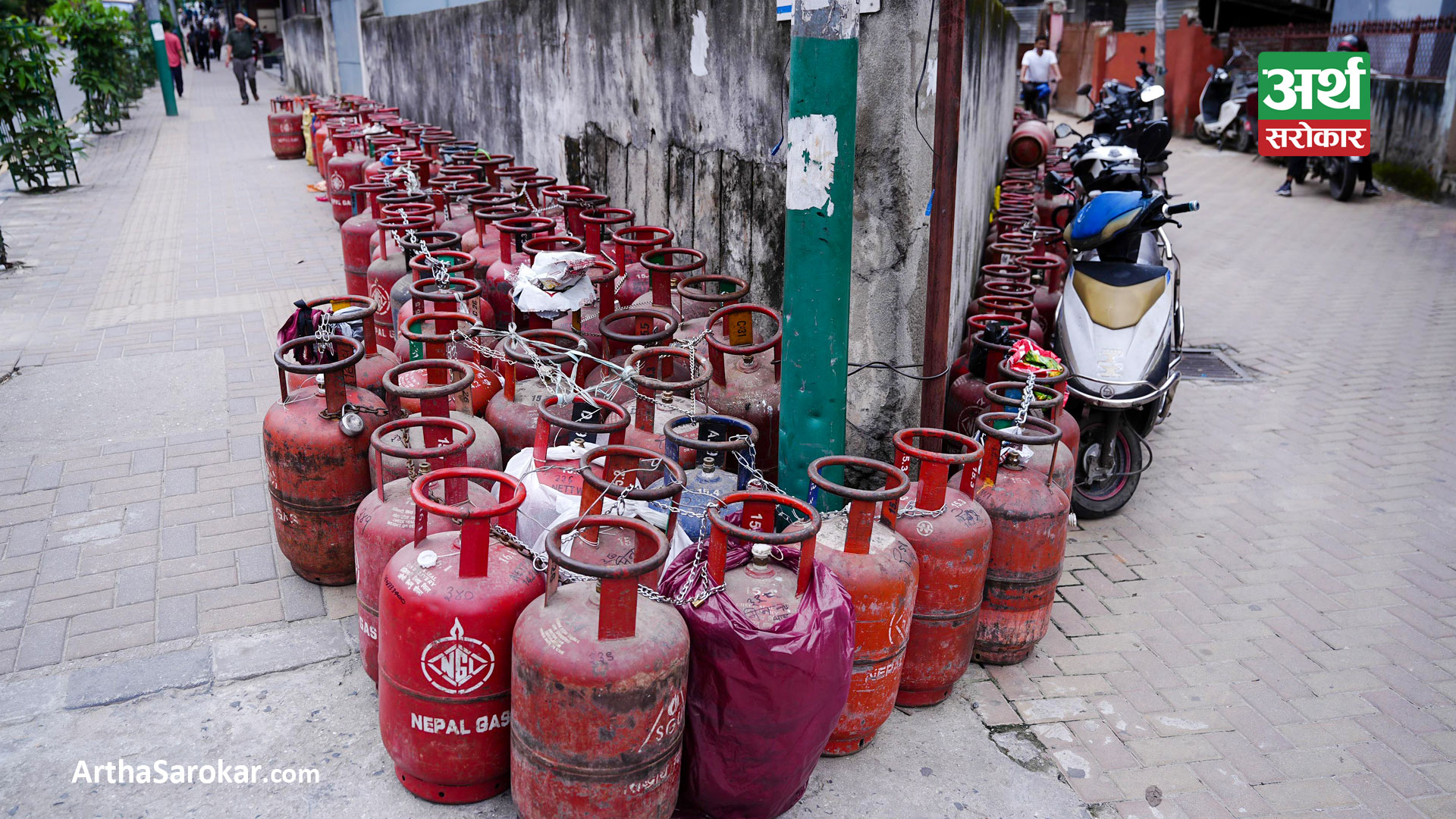
According to the Department of Customs, LPG worth Rs 41.65 billion was imported in the first nine months of the current fiscal year. A total of 41 lakh metric tonnes of cooking gas was imported in the review period. In the fiscal year 2081/81, Nepal imported cooking gas worth Rs 62.58 billion. Nepal had imported 5.5 million metric tonnes of cooking gas in the same fiscal year. Similarly, in the fiscal year 2080/81, LPG worth Rs 55 billion was imported.
According to Nepal Oil Corporation (NOC), Nepal imports 48,000 metric tonnes of cooking gas (LPG) every month in the current fiscal year. Based on the latest data of the corporation, there is a loss of Rs 331.25 per cylinder. The NOC has been selling the gas cylinder at Rs 2,160 per cylinder.
A large amount of remittance is spent on cooking gas every year. The Ministry of Energy has prepared the Energy Consumption Enhancement and Export Strategy-2083 with the objective of saving this amount and keeping it in the country. The Ministry of Industry has been designated as the responsible body for this purpose. The Ministry of Finance and the Ministry of Energy have set a deadline to complete the project by 2092/93 after necessary coordination.
Nepal Electricity Authority (NEA) has already started a campaign to use electric cooking stoves for cooking purposes. The local governments have also taken it forward effectively. The strategy states that the use of electric stoves is to be promoted for public health and economic health of the country as well.
To increase the use of electric stoves, the NEA has been increasing the capacity of transmission lines, transformers and modernizing the transmission network. For this, the Ministry of Energy has come up with a special program. Minister for Energy, Water Resources and Irrigation Biraj Bhakta Shrestha has directed the subordinate bodies to make Energy Consumption Promotion and Export Strategy-2083 BS more objective and scientific.
According to the Ministry of Energy, the total installed capacity of the country has reached 4,296 MW so far. It would generate 4,500 megawatts of electricity by the end of the current fiscal year. The per capita consumption of electricity has reached 450 kilowatts.
Likewise, the government is promoting the use of electric stove to increase electricity consumption in the context of total electricity export equivalent to 2,918 GW. Charging stations at petrol pumps and public transport will also be used to promote the use of electric vehicles. For this, a policy has been put forward to construct charging stations on a large scale across the country. A plan has been made to make the NEA and the private sector active. The NEA will coordinate the works whereas the Ministry of Physical Infrastructure, Industry, Commerce and Supplies will make other arrangements.
The use of electric vehicles will further increase after the network of charging stations is expanded throughout the country. The deadline for completion of the project is 2085/86.
Along with the expansion of charging stations, electric buses will be operated in major cities. Electricity consumption capacity will be increased internally by operating trolley buses. A policy has also been adopted to replace coal boilers with electric boilers and furnaces. The Ministry of Energy has a plan to waive electricity tariff and convert it into an electric irrigation pump to modernize the agriculture sector. This will reduce the consumption of diesel and increase the consumption of internal electricity.

Leave your comment